
"Wilde in exile"
142700 article(s) found
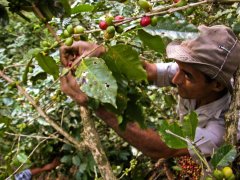
How to make Cuban coffee? Geographical features of Cuba and culture of coffee cultivation, production and consumption
Cuba Geography and Coffee Cultivation: An important coffee-growing region of Cuba is located in the Sierra Maestra Mountains in eastern Cuba. The pleasant climate and fertile reddish-brown soil are rich in humus, so coffee can be grown without fertilizer, giving Cuba a good reputation for growing some of the best coffee. The towns of the Maestra Mountains have a history of growing coffee, people

The History of Coffee the Story of the Shepherd
There are several legends about the origin of coffee, among which the more familiar is the story of the shepherd: around 600 AD, a shepherd found that his sheep would hiss excitedly every night. In fear, he asked the priest in the temple for help. After carefully observing the sheep for a few days, the priest found that the sheep had eaten an unknown fruit, and the priest himself had eaten it.

The Historical Legend of Coffee basic knowledge of Coffee
There are several legends about the origin of coffee, among which the more familiar is the story of the shepherd: around 600 AD, a shepherd found that his sheep would hiss excitedly every night. In fear, he asked the priest in the temple for help. After carefully observing the sheep for a few days, the priest found that the sheep had eaten an unknown fruit, and the priest himself had eaten it.

Coffee common sense, stories about coffee beans, and these?
[Origin of coffee beans] broadly speaking, there are two kinds of coffee beans in the world, Arabica beans and Robosta beans. The earliest Arab way to eat coffee was to chew the whole fruit (Coffee Cherry) to absorb its juice. They then mixed the ground coffee beans with animal fat as a physical supplement for long trips until about 1000 AD.

Boutique Coffee basic knowledge Coffee Tree Discovery Legend
For the discovery of coffee trees, the industry does not have a unified view, there are generally the following legends. 1. Legends of Shepherds in the 5th and 6th centuries, a young shepherd in Ethiopia, Kaldi, was herding his sheep when the sheep ate a kind of red berry and looked very excited. Cody was curious and ate some of these red berries, feeling refreshed.

The Origin of Cat poop Coffee beans
Coffee beans generally go through the process of shell fermentation, coffee beans in the civets' intestines, special bacteria provide a unique fermentation environment, the flavor becomes unique, particularly thick and mellow. The coffee beans fermented by civets' intestines and stomach are very thick and mellow. Eva, the owner of the special cafe, is a coffee enthusiast who travels around the world every year in search of rare goods. She told the reporter

Arabica coffee bean boutique Starbucks Arabica coffee bean civet coffee Colombian coffee
The coffee comes from the excrement of an animal called the civet (commonly known as the civet in Indonesia). Although it comes from smelly poop, it is full of sweetness and a burst of indescribable sweetness. This wild musk cat likes to eat fat, pulpy coffee fruit, but the hard hard nut (raw bean) cannot be digested. It is excreted with feces and becomes Kop after cleaning.
A variety of coffee more precious than the Blue Mountains
Introduce several coffee varieties that are more precious than Blue Mountain Coffee:

Magical red fruit: two legends where coffee beans were discovered
How much do you know about the legend of coffee beans being discovered?
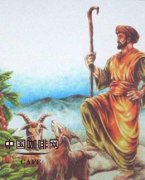
How did you get the coffee beans? The Story of the Shepherd
▼ Legend 1: the Story of the Shepherd around the 10th century AD, in the Ethiopian plateau of Africa, there was a shepherd Karl. One day he suddenly looked very excited and excited when he saw the goat. He thought it was strange, and then after careful observation, he found that the sheep were excited after eating some kind of red fruit. Carl tasted it curiously.

The Discovery of Coffee trees legends basic knowledge of Coffee
For the discovery of coffee trees, the industry does not have a unified view, there are generally the following legends. 1. Legends of Shepherds in the 5th and 6th centuries, a young shepherd in Ethiopia, Kaldi, was herding his sheep when the sheep ate a kind of red berry and looked very excited. Cody was curious and ate some of these red berries, feeling refreshed.

St. Helena Coffee Island Coffee beans individual Coffee delicious Coffee
Boutique coffee is fresh coffee. Whether it's food or drink, of course, the fresh the better, and so is boutique coffee. High-quality coffee should keep the coffee beans fresh before making, including the preservation of baked beans, and grind the coffee beans into powder before making, which is also to retain its original and best flavor. And the way of making hand-made coffee is such a way to make high-quality coffee.

Legends of the discovery of coffee trees, legends of shepherds
For the discovery of coffee trees, the industry does not have a unified view, there are generally the following legends. 1. Legends of Shepherds in the 5th and 6th centuries, a young shepherd in Ethiopia, Kaldi, was herding his sheep when the sheep ate a kind of red berry and looked very excited. Cody was curious and ate some of these red berries, feeling refreshed.

Legends of coffee beans, the raw materials for making coffee.
Arabs began to roast and grind coffee beans, and because drinking was strictly forbidden in the Koran, Arabs consumed a lot of coffee. So religion is actually a big factor in the widespread popularity of coffee in the Arab world. Coffee beans. The story of the shepherd legends that there was a shepherd card on the Ethiopian plateau in Africa around the tenth century AD.

Do you know the legend of the discovery of the coffee tree?
For the discovery of coffee trees, the industry does not have a unified view, there are generally the following legends. 1. Legends of Shepherds in the 5th and 6th centuries, a young shepherd in Ethiopia, Kaldi, was herding his sheep when the sheep ate a kind of red berry and looked very excited. Cody was curious and ate some of these red berries, feeling refreshed.

Legend of coffee origin
There are several legends about the origin of coffee, among which the more familiar is the story of the shepherd.
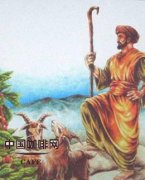
How do coffee beans come from? The story of the Arab monk and the shepherd
Legend 1: The story of the shepherd Legend has it that around the tenth century AD, on the Ethiopian plateau in Africa, there was a shepherd Carl, who one day saw goats suddenly appear extremely excited and excited. He thought it was strange, and after careful observation, he found that these sheep were excited by eating some kind of red fruit. Carl tasted it curiously.
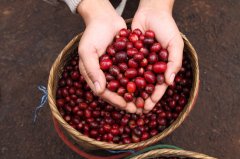
One of the most expensive coffee in the world-St. Helena Coffee country
St. Helena is a volcanic island in the South Atlantic Ocean, belonging to the United Kingdom, far away from Africa and the Americas, the island is worthy of the name suspended at sea. The island is inaccessible, with a population of only about five or six thousand, and it is sparsely populated, so there are many strange animals and plants on the island. Darwin once said that the island is a paradise for species. In any way, the island is not very prominent.
Coffee Encyclopedia-- tracing to the Source of Coffee
One: the story of the shepherd there are several legends about the origin of coffee, of which the more familiar is the story of the shepherd: according to Rothschild, a Roman linguist. Records of Neroy (1613-1707): around the sixth century, when Kardai, an Arab shepherd, was herding sheep to the Isobian prairie, he was extremely excited and excited to see each goat.

The history of coffee beans is related to the spread of coffee beans.
Legend has it that around the tenth century AD, on the Ethiopian plateau of Africa, a shepherd Carl found sheep excited after eating some kind of red fruit. As a result, Carl distributed this incredible red fruit to the locals, and its magical effect spread. There is also a legend that in 1258 AD, in the mountains of Yemen, people were killed for crimes.